Vibewave: A Romantic Blackletter Font
There I was, staring at a blank brand board, trying to find the right visual voice for a new boutique coffee shop. The client wanted something that felt timeless, yet modern enough to appeal to a younger audience. After testing a few options, I stumbled upon Vibewave—a blackletter font with a romantic touch. It wasn’t just another gothic typeface; it had a soul.
The Visual Personality of Vibewave
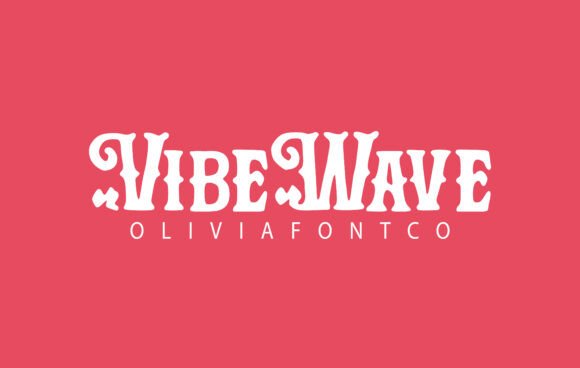
Vibewave is a blackletter font that leans into its historical roots while adding a soft, elegant flair. The sharp angles and intricate details give it a dramatic presence, but the subtle curves and flourishes prevent it from feeling too harsh or outdated. It’s like a vintage romance novel cover brought to life in typography form. The font has a distinct personality—mysterious, poetic, and slightly whimsical. It doesn’t shout, but it commands attention when needed.
When I first placed it on a logo concept, it felt like the perfect match for a brand that wanted to evoke warmth and authenticity. The font’s structure allows for both bold statements and delicate details, making it versatile across different design applications.
Vibewave in Real-World Branding Projects
I tested Vibewave on a variety of branding assets, from business cards to social media graphics. On a packaging mockup for a skincare line, it added an air of luxury without being overly formal. The font’s texture worked well with minimalist designs, giving the product a sense of craftsmanship and care.
On a website header, Vibewave stood out as a strong headline font. It paired beautifully with a clean sans serif for body text, creating a contrast that felt balanced and professional. In social media layouts, it caught the eye immediately, especially when used in large sizes for promotional posts or event announcements.
One of the most interesting moments came when I tried it on a bakery packaging label. The font’s organic flow complemented the handmade aesthetic of the brand, making it feel more personal and authentic. It didn’t overwhelm the design, but rather enhanced the overall visual storytelling.
Strengths and Limitations
Vibewave excels as a display or headline font. Its intricate details make it ideal for logos, headlines, and short phrases where visual impact is key. However, it’s not the best choice for long paragraphs or small text. In those cases, it can become difficult to read, especially at lower resolutions or in print.
For commercial use, Vibewave works well in branding projects that prioritize style over function. It’s perfect for creative studios, handmade shops, or boutique businesses looking to stand out. But if you’re designing for a corporate or formal setting, it might not be the best fit. The font’s romantic tone could clash with a more traditional or minimalist brand identity.
When pairing Vibewave with other fonts, I found that it works well with serif fonts for a classic look, or with a modern sans serif for a more contemporary feel. It also pairs nicely with script or handwritten fonts for a layered, artistic effect. Just be mindful of contrast and legibility when combining it with other typefaces.
Practical Tips for Using Vibewave
If you’re considering using Vibewave in your work, start by testing it in a few different contexts. Try it on a logo draft, a packaging mockup, and a social media layout. See how it holds up in various sizes and backgrounds. Pay attention to how it interacts with other design elements and whether it aligns with the brand’s overall tone.
It’s also important to check the font’s licensing before using it in client work. Make sure you have the proper rights for commercial use, especially if you're creating templates, merchandise, or digital products. Some fonts come with restrictions that may limit their application in certain projects.
Vibewave is a premium font that offers a unique blend of tradition and modernity. Whether you’re working on a creative studio identity, a café refresh, or a handmade shop branding project, it has the potential to elevate your design work with its distinctive character.